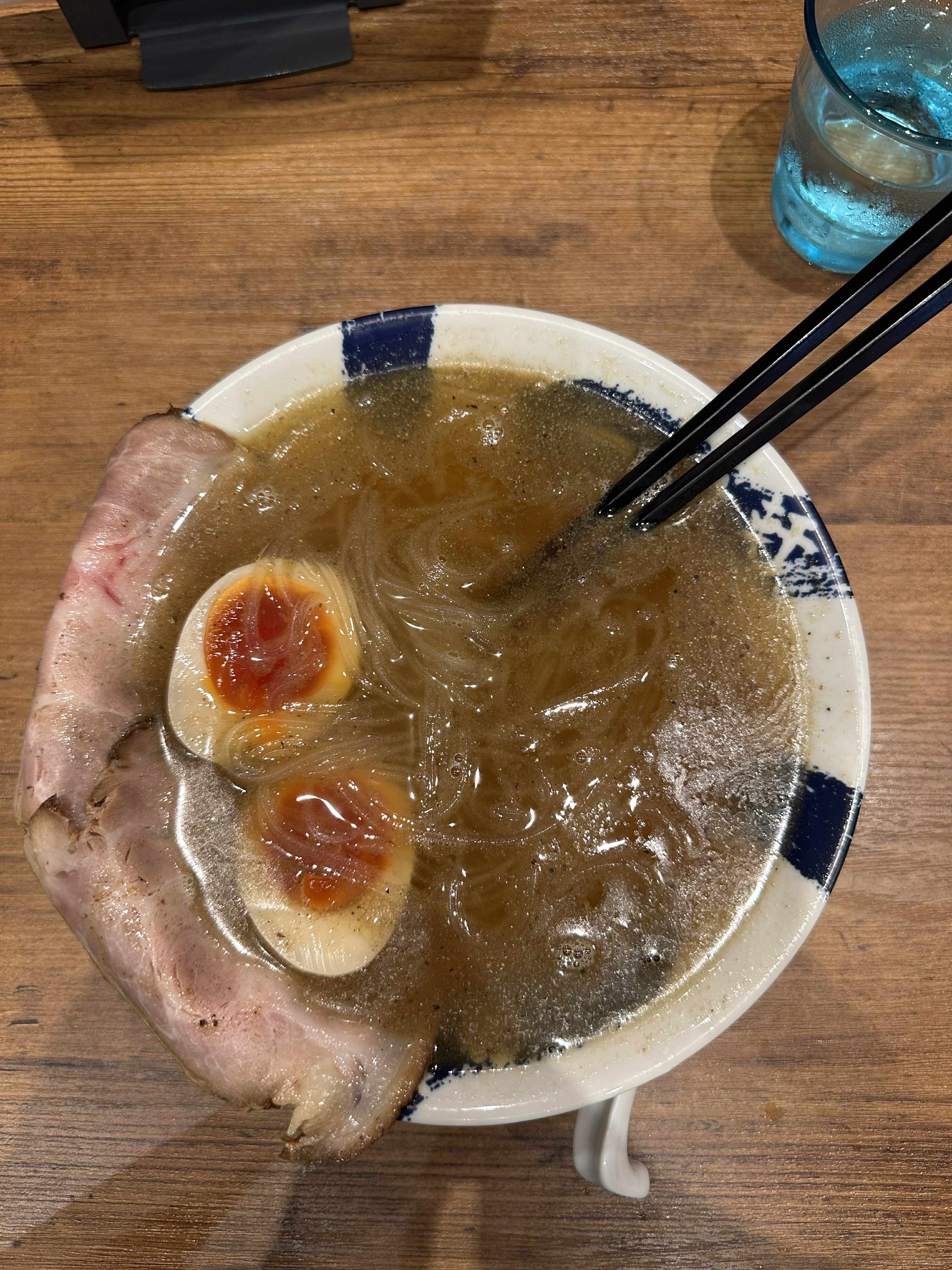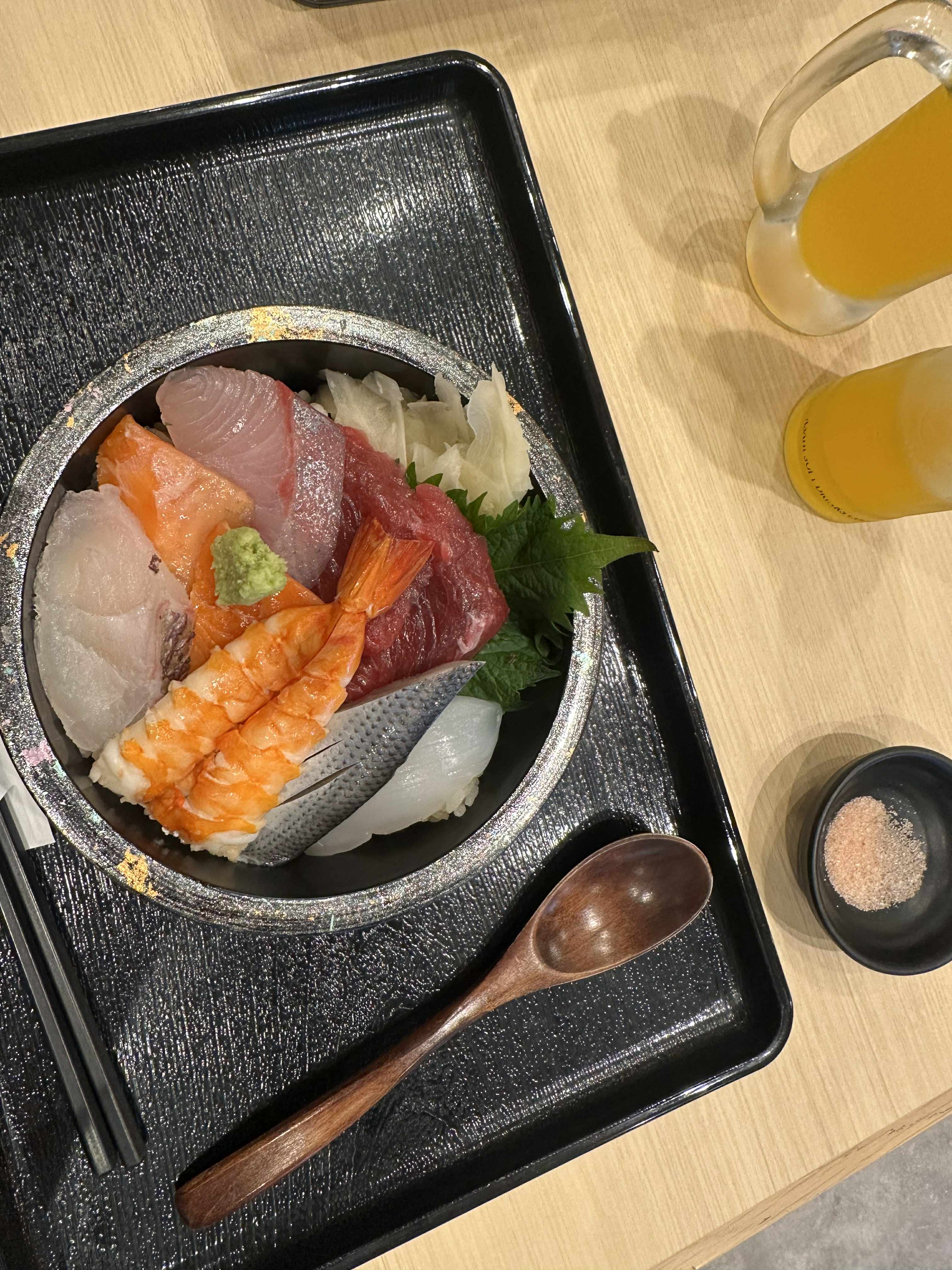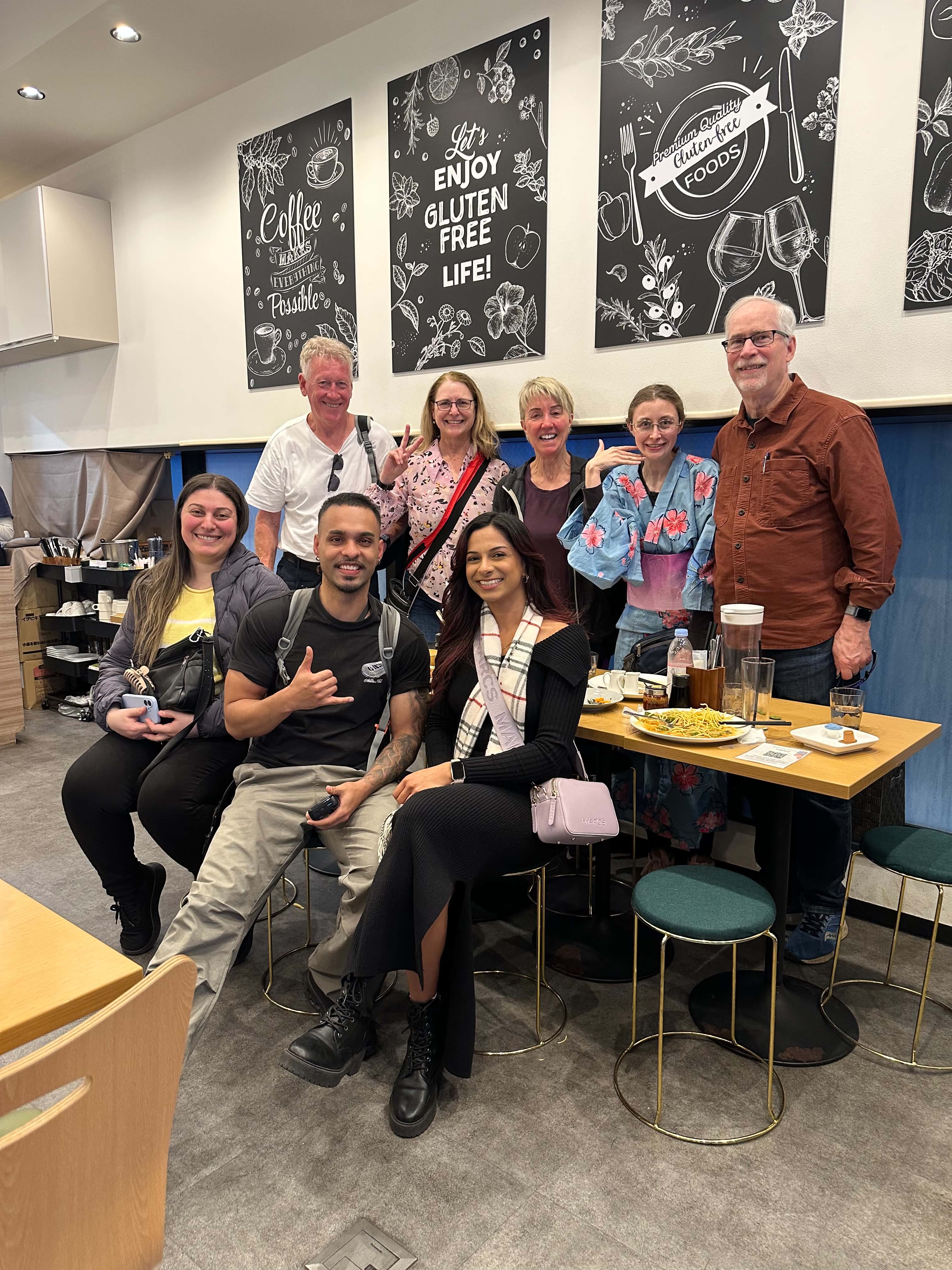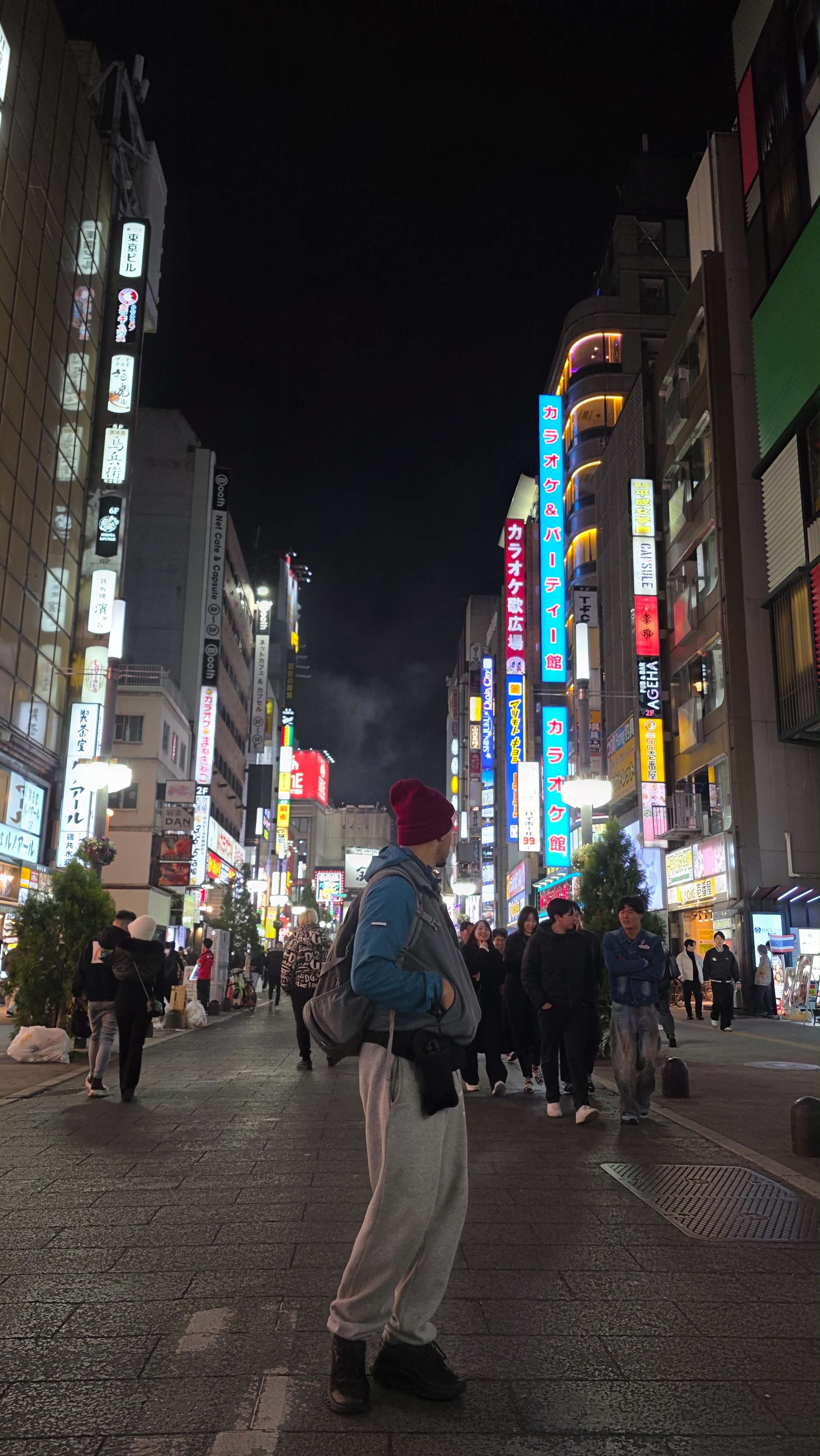
Tokyo is easier than most people believe if you know where to go. This is our internal list, verified in person during February 2026 reconnaissance for the October 2026 group tour. Nothing is sponsored. Any restaurant we would not eat at ourselves as diagnosed celiacs is not on this list.
Every restaurant below is rated by how confident we are in their cross-contamination protocols - not by how good the food is. The food is uniformly excellent; that is not the constraint. The constraint is whether the kitchen understands that soy sauce, ramen broth, tempura oil, and shared work surfaces will hospitalise a celiac. Some do. Most do not. We list the ones that do.
The short version
Six neighbourhoods. Twenty-three restaurants. Three tiers. If you have a week in Tokyo and one gluten-free rule - 'never eat somewhere I have not researched' - this list is enough. If you have three days, focus on Shibuya and Asakusa; those two districts alone will feed you.
Shibuya, Ebisu and the west side
Shibuya is Tokyo's most walkable district for a celiac. Three dedicated gluten-free venues have opened here in the last three years, driven partly by increased visitor demand and partly by a small local community of Japanese celiacs quietly organising online. The Yamanote loop puts everything on this list within a fifteen-minute train ride.
Order: Wagyu katsu sando; brown rice sourdough
Owner is celiac. Bakery adjoins the sandwich counter.
Order: Vegan ramen with rice noodles, tamari base - request specifically
All-vegan means no bonito dashi surprises. Always call ahead.
Order: Gluten-free burger; entire menu is gf-marked
One of a small chain; all locations gluten-free-marked.
Order: Charcoal wagyu burger, no bun, on a plate; dedicated fryer for fries
Confirm the fryer is not shared with breaded items on the day.
Order: Salad bar; ask for the allergen binder
Staff hand you a laminated allergen chart on request.
Shinjuku and central north
Shinjuku is the harder district. Ramen shops share water pots, izakayas share fryers, and the density means turnover is fast enough that yesterday's celiac-aware chef may not be there today. We list only places we have re-verified within the last three months.
Order: Rice noodle tonkotsu; ask for water change and separate pot
The word for 'separate pot' is bekko no nabe - write it down.
Order: The tofu 'katsu' plate; heavenly pancakes for dessert
Booking essential on weekends.
Order: Shabu-shabu with rice noodles; bring wheat-free tamari for the dipping bowls
Confirm ponzu is soy-sauce-free or ask for salt only.
Asakusa and the traditional east side
Asakusa rewards a slower pace. Restaurants here have longer relationships with their suppliers, longer-tenured staff, and - if you approach respectfully with a translated dietary card in hand - more willingness to explain their ingredient chain than the flashier west-side spots.
Order: Okonomiyaki made with rice flour on request - call two days ahead
The only okonomiyaki restaurant we currently recommend to celiac travellers.
Order: Charcoal-grilled unagi; ask for tare on the side or without
Traditional unagi tare contains soy sauce with wheat - order shio (salt) preparation instead.
Order: Dojo hotpot; request no soy sauce in the broth
300-year-old restaurant. English-speaking staff on request.
Order: Tsukemen ONLY with rice noodles when available (limited days)
Check ahead - the rice noodle option is not always on.
Harajuku, Omotesando and the design district
The best celiac-friendly cafes cluster here - the same design-forward Tokyo that gets photographed also, incidentally, cares about allergens more than average.
Order: Vegan curry rice; the ground-floor cafe has allergen icons on the menu
The building has three restaurants; ground floor is the safest.
Order: Organic buffet; scan the menu icons for the wheat-free marks
Family-friendly. Kids' celiac needs specifically catered.
Order: Take a picnic pack to Yoyogi Park nearby
Same owner as the sandwich shop; separate bakery counter.
Ginza and the fine-dining core
Fine-dining Ginza is more accommodating than you might expect - the pastry-and-chef mentality here means chefs are used to bespoke dietary requests. Book well ahead and communicate in writing.
Order: Truffle ramen; NOT gluten-free by default but chef will substitute rice noodles for advance bookings
Michelin-starred. Email booking essential, three weeks ahead.
Order: Omakase; announce gluten allergy at booking, tamari swap arranged
Communicate in writing. English-speaking front-of-house on booking.
Order: Wine bar with a cured meats and cheese plate; skip the bread basket
Not a full meal, but a safe pre-dinner stop.
Getting between them: the Yamanote loop
Every restaurant on this list sits within a five-minute walk of a Yamanote line station. The loop runs every three minutes, no transfers, no confusion - the single most celiac-friendly piece of infrastructure Tokyo has for a first-time visitor. Buy a Suica card at the airport, tap in, tap out; do not try to figure out ticketed fares.
What to avoid in Tokyo
- Chain izakaya without checking soy sauce (Torikizoku, Watami, and most of the yakitori chains use standard wheat-containing shoyu on everything)
- Tempura anywhere unprepared - batter is wheat, shared fryer oil is a guarantee of cross-contamination
- Tsuyu (the dipping sauce for soba and cold noodles) - always contains soy sauce. Bring wheat-free tamari
- Convenience-store onigiri without checking the ingredient label - many rice balls contain seasoning with wheat starch
- Any teppan-yaki restaurant - the grill is shared with wheat-battered items and dashi with soy sauce
- Any 'ramen shop' that does not explicitly market gluten-free - shared boiling water, shared tools, no protocol
- Katsu-anything (tonkatsu, katsu curry) unless the restaurant is on this list - breading is standard flour
Sources and honesty note
No restaurant on this list paid to be listed. No restaurant knew they were being reviewed. Every meal was paid for at retail. We do not accept press meals, sponsored content, or affiliate arrangements from restaurants. Our only conflict of interest is that some of these restaurants are on the itinerary of our small-group Japan tours - which means we have a self-interested reason to keep the list accurate.