The single most common way a celiac traveller gets glutened in Japan is not from a rogue tempura or a hidden noodle - it is from soy sauce. Standard Japanese shoyu contains wheat. Most celiac travellers assume any Asian sauce is safe by default. It is not. This article explains why, and what to do about it.
Why traditional shoyu contains wheat
Japanese shoyu (soy sauce) is fermented from four ingredients: soybeans, wheat, salt, and koji mould. The wheat is not incidental - it is roughly equal in weight to the soybeans and provides the sugars the koji ferments into the sauce's characteristic umami depth. There is no widely-produced Japanese shoyu that is wheat-free by accident; the wheat is a design choice, and it has been for roughly 1,500 years.
For a celiac, this matters because shoyu shows up in almost every savoury Japanese dish. Ramen broth. Yakitori glaze. Tempura dipping sauce. Sukiyaki. Teriyaki. Ponzu. Nikuman filling. The soy sauce bottle on the table is only the visible surface - the more important sauces are already inside the food.
Tamari - the ancient wheat-free alternative
Tamari is soy sauce fermented without wheat. It predates modern shoyu by several hundred years and is still produced by traditional makers, mostly in the Aichi and Mie prefectures. It tastes rounder and less sharp than shoyu - some celiacs prefer it once accustomed. Modern gluten-free tamari brands (San-J and Kikkoman Tamari are the two most commonly encountered) are certified gluten-free under Japanese and North American standards and can be trusted at retail.
Restaurants almost never have tamari on hand. Bring your own. A 100ml squeeze bottle in your suitcase costs about USD 6 and covers a two-week trip. Take a smaller decant bottle to dinner.
What to ask for in Japanese
The single most useful sentence for a celiac in Japan translates to 'I have a wheat allergy, please do not use soy sauce'. In Japan, celiac disease is not well-known outside medical circles - describing it as a 'wheat allergy' (komugi arerugii) triggers correct behaviour from waitstaff more reliably than trying to explain seliakku-byou (celiac disease) to someone who has never encountered the term.
Menu traps beyond the soy sauce bottle
Even after successfully asking for no soy sauce, seven common menu items still contain wheat by default. Learn these; they are the second-order traps that catch experienced celiac travellers.
- Teriyaki - the glaze is soy sauce reduced with sugar. Contains wheat.
- Tempura batter - wheat flour. Assume every tempura fryer is also cross-contaminated.
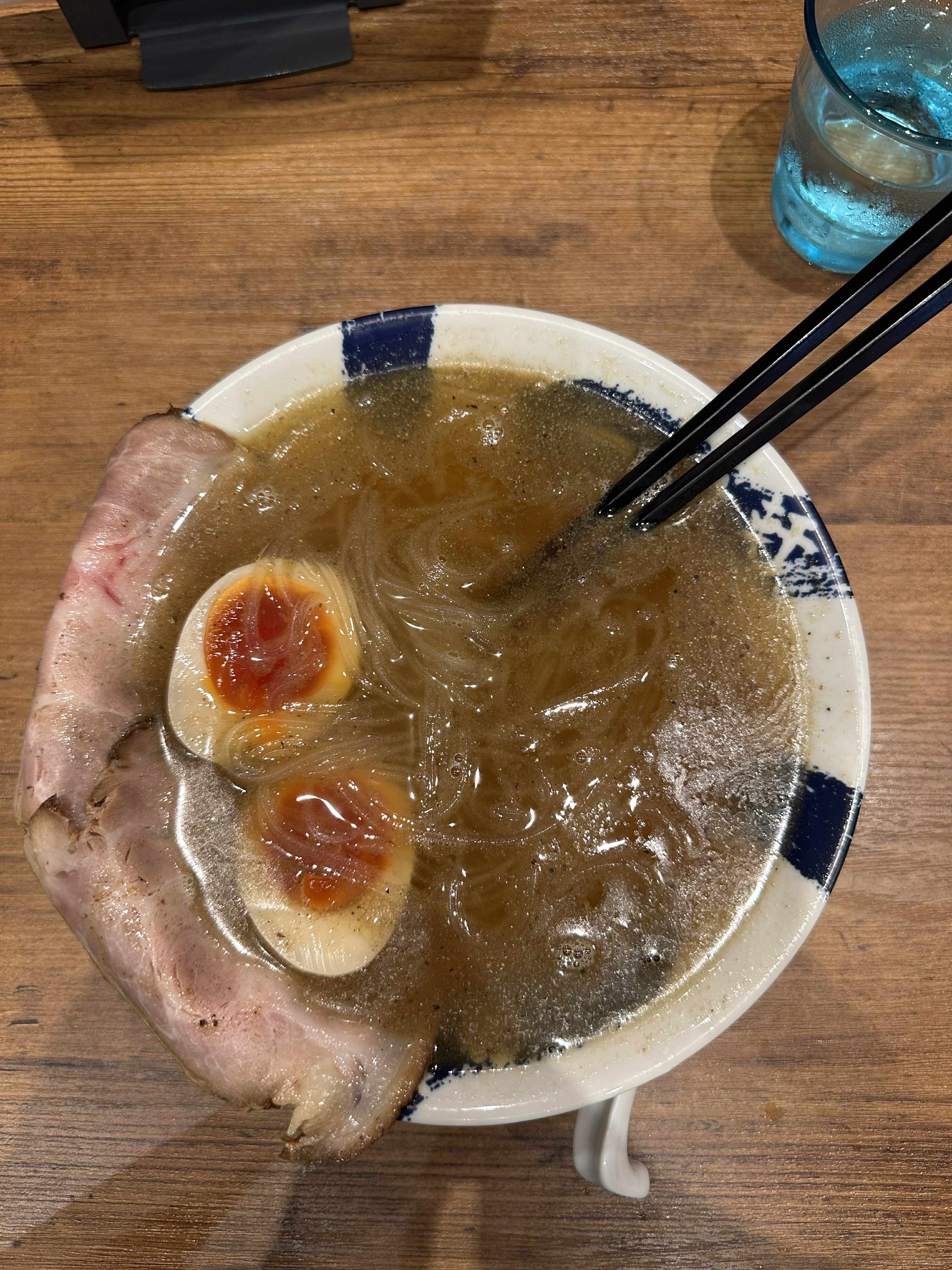
- Ramen - the broth almost always contains soy sauce; the noodles are wheat.
- Gyoza - wheat wrapper. Some restaurants offer rice-wrapper versions; ask.
- Tsuyu (soba dipping sauce) - soy sauce + dashi + mirin. Bring tamari.
- Katsu (tonkatsu, chicken katsu, katsu curry) - breaded in wheat, fried in shared oil.
- Beer batter, karaage, tempura vegetables - all wheat-flour-based coatings.
Brands to trust
For groceries and take-home purchases, three tamari brands are reliably certified gluten-free and widely available in Japanese supermarkets and konbini (though you may need a larger supermarket for the certified versions):
- San-J Tamari Gluten-Free - reliable, widely exported, easy to find at Kaldi Coffee Farm shops in Japan.
- Kikkoman Gluten-Free Tamari - labelled in English, sold at Costco Japan and larger AEON supermarkets.
- Higashimaru Tamari - Japanese domestic brand, less common but excellent quality; check the label for 小麦不使用 (komugi fushiyou - 'no wheat used').